
Why density matters for Sooke
Here’s an interesting number: the new rental apartments beside the park on Otter Point Road paid about $300,000 in municipal property taxes in 2025 – making this property Sooke’s fourth-largest taxpayer, behind the two shopping malls and the Prestige Hotel. That’s roughly equivalent to what a 2% property tax increase would raise, all from one development. It also brought rental homes, commercial space, sidewalks, road improvements, parking for John Phillips Memorial Park, and a public washroom. And we didn’t have to build a new road to serve it.
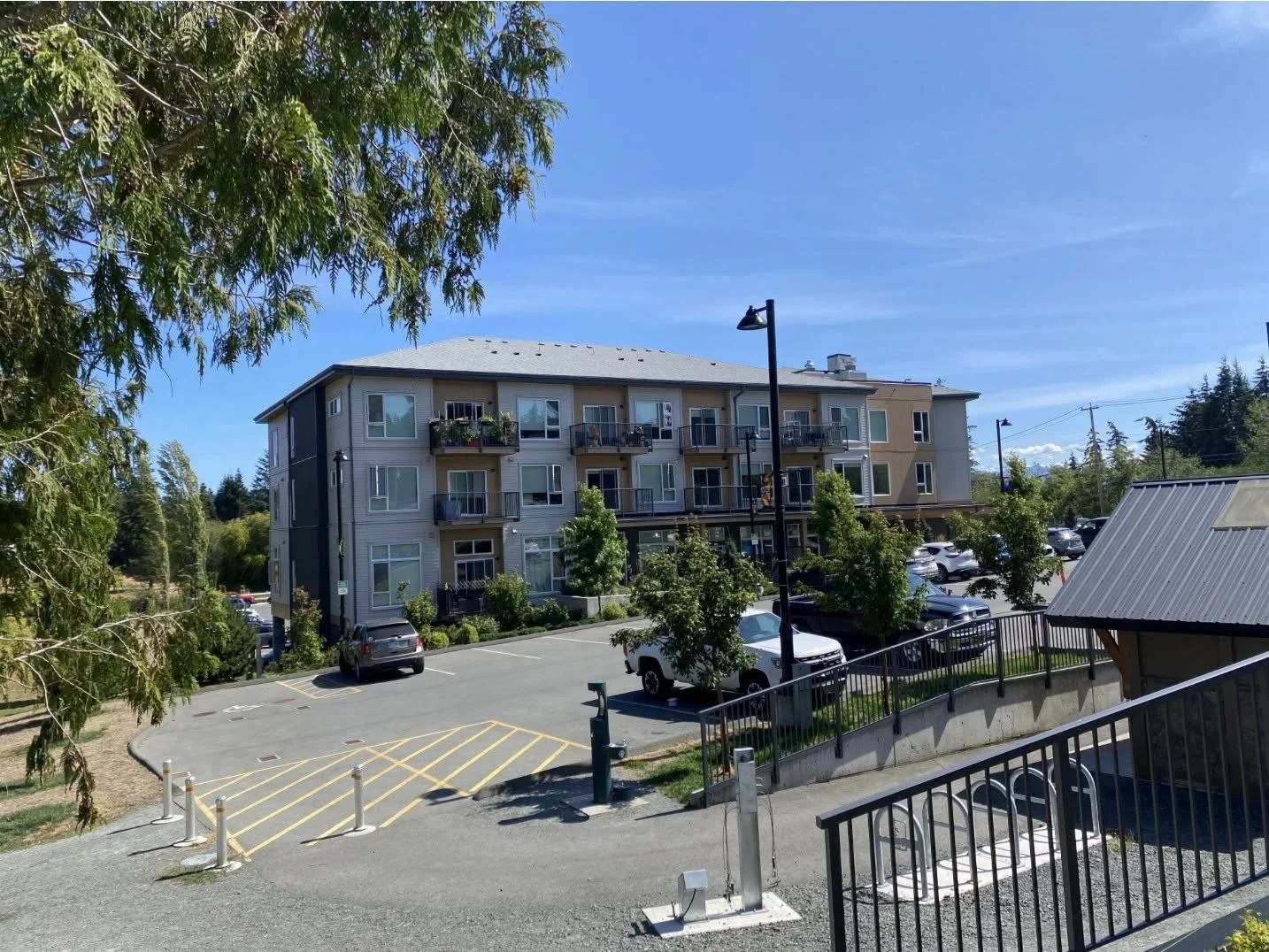
This is one way we tackle Sooke’s tax problem. Sprawl doesn’t pay for itself. The farther we spread out, the more infrastructure we need to build and maintain for fewer taxpayers. Density in the right places means more taxpayers sharing the infrastructure we already have.
Density can also help with traffic. Homes closer to shops and services mean shorter trips and more opportunities to walk or cycle. More people living close together also makes better transit and options like car-sharing more viable. The goal isn’t to get everyone out of their cars. It’s to make sure you don’t need a car for every trip. And density isn’t just apartments. It can mean townhouses, duplexes, suites, smaller homes and seniors’ housing – more choices for different people and stages of life.
Density doesn’t mean density everywhere. Good planning puts it in the right places, at the right scale, with good design. That’s why our Official Community Plan directs density in and around the town centre while protecting Sooke’s rural and natural character.
For Sooke Together, this is what good planning looks like: development that strengthens our tax base, supports local businesses, gives people more housing and transportation choices, contributes to amenities, improves our town centre, and protects Sooke from sprawl.