
Economic Development, Part 2: Sustainable Tourism
Since November 2025, Sooke has been collecting a 3% Municipal and Regional District Tax (MRDT) on short-term accommodation, estimated to generate $450,000–$900,000 a year. The money must be reinvested in tourism, so what are we going to do with it?
There is already a roadmap. The 2024 Juan de Fuca Corridor Tourism Plan identifies opportunities in cycling and trails, arts and culture, local food, outdoor experiences, and year-round tourism – while supporting local businesses and residents and protecting the natural environment from over-use. As of 10 days ago, Sooke has a new Tourism Advisory Committee, bringing together local tourism operators, T’Sou-ke Nation representation, and a youth representative. There is now money, a plan, and local people at the table to start putting ideas into action.
Sooke’s five-year MRDT plan proposes an events and festivals fund, arts and Indigenous cultural programming, better visitor services, new tourism experiences, sports tourism, and promotion of local businesses. The goal isn't more visitors in July and August. It’s longer stays and more activity in the off-seasons.
There is momentum beyond Sooke too. Destination Canada visited Sooke last week, exploring a cross-border tourism corridor with Washington’s Olympic Peninsula. Ideas include Indigenous stewardship, e-bike touring, marine education, arts and music, and cleaner transportation, including electric ferries.
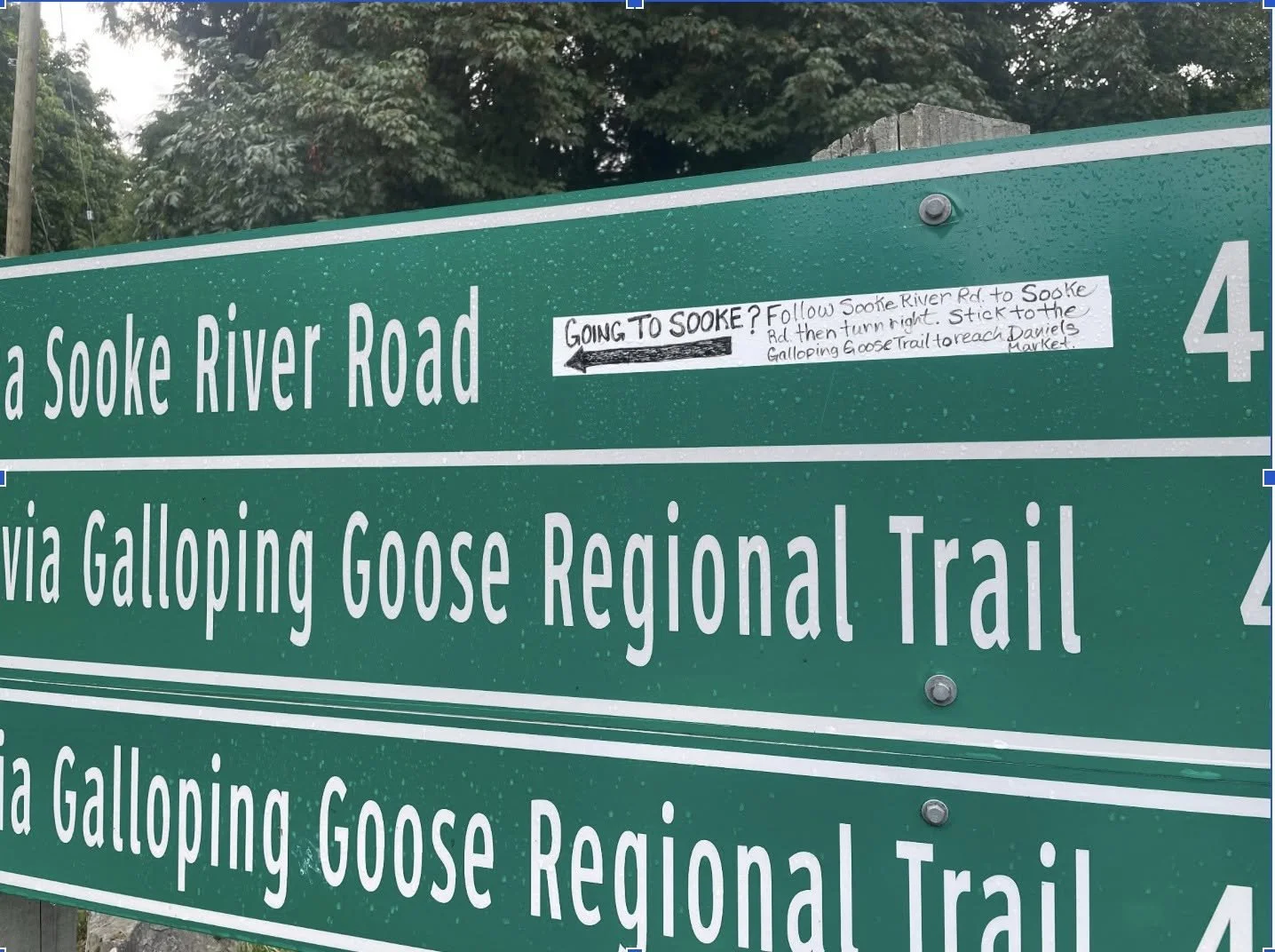
Locally, think better cycling and pedestrian connections across the river, and a town centre that draws locals and tourists alike to stop, walk, shop, and eat. A couple of moderately priced hotels would also help Sooke host sports tournaments, conferences, festivals and multi-day events year-round, creating more overnight stays and more MRDT revenue to reinvest. Let’s chase those ideas. Done well, tourism supports local businesses and jobs and helps pay for improvements residents enjoy too.